
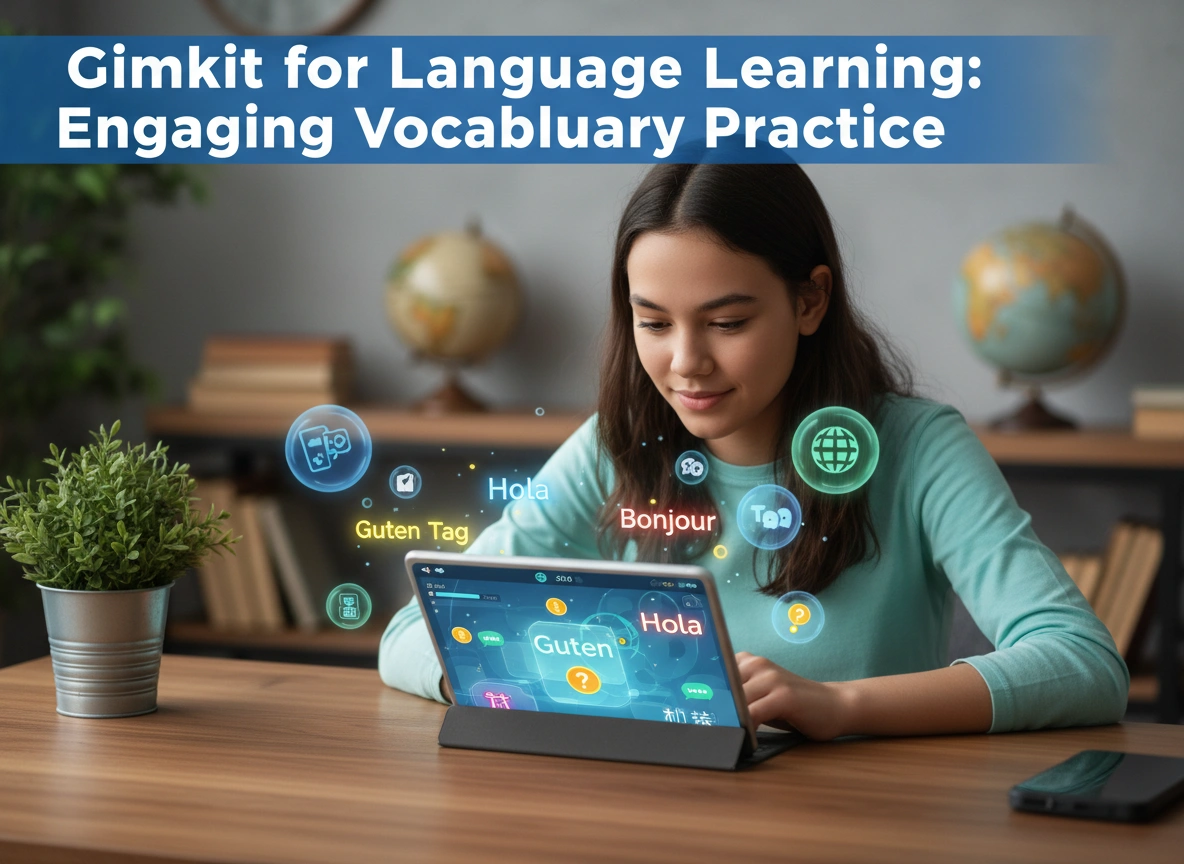
Finding effective ways to keep language students engaged can be a constant challenge. Traditional vocabulary drills, like flashcards and worksheets, often fail to capture students’ attention, leading to disinterest and slower progress. This is where educational technology offers a powerful solution. Gimkit, a dynamic game-show-style learning platform, transforms mundane vocabulary practice into an exciting and competitive experience that students genuinely enjoy. By blending game mechanics with customizable content, teachers can create a vibrant learning environment that boosts both engagement and retention.
This article will explore how Gimkit can be used as a strategic tool in the language classroom. We will cover the platform’s core features, its specific benefits for vocabulary acquisition, and practical ways to integrate it into your lesson plans. You will discover how this tool not only makes learning fun but also provides valuable data to inform your teaching and support student growth.
What is Gimkit and How Does It Work?
Gimkit was created by a high school student who wanted to build a more engaging alternative to other popular quiz-based platforms. At its core, it’s an interactive review game where students answer questions on their own devices to earn in-game currency. This currency can then be used to purchase power-ups and upgrades, adding a layer of strategy that goes beyond simply knowing the right answer.
The basic gameplay loop is simple:
- Teacher Creates a “Kit”: A kit is a set of questions and answers. For language learning, this would typically be a vocabulary list with words and their translations, definitions, or example sentences.
- Students Join the Game: Teachers launch a live game, and students join using a unique code on their phones, tablets, or computers.
- Answering Questions: Students answer questions at their own pace. Correct answers earn them virtual money.
- Strategic Upgrades: Between questions, students can access a shop to spend their earnings on upgrades. These might include increasing the money earned per question, setting streaks for consecutive correct answers, or even using power-ups that can affect other players, like making their screens blurry for a few seconds.
This strategic element is what sets Gimkit apart. Students are not just passively answering questions; they are making decisions, managing resources, and thinking critically about how to maximize their earnings. This transforms a simple vocabulary quiz into a compelling game.
The Key Benefits of Using Gimkit for Language Learning
Integrating Gimkit into your language curriculum offers numerous advantages over traditional methods. The platform is designed to boost student motivation while reinforcing essential concepts, making it a perfect fit for vocabulary practice.
Increased Student Engagement
The most immediate benefit of Gimkit is the dramatic increase in student engagement. The fast-paced, competitive nature of the game captures students’ interest from the start. The addition of in-game currency and strategic upgrades motivates them to answer more questions and stay focused throughout the session. Instead of a chore, vocabulary review becomes an event that students look forward to. This enthusiasm translates into more time spent actively thinking about and using the target language.
Enhanced Vocabulary Retention
Repetition is crucial for moving new words from short-term to long-term memory. Gimkit’s game structure encourages this repetition in a natural and enjoyable way. Students will encounter the same vocabulary words multiple times throughout a single game. If they answer incorrectly, Gimkit will re-introduce the question later, ensuring they have another opportunity to get it right. This “mastery-based” approach helps solidify their understanding and improves long-term retention.
Differentiated Instruction
Gimkit allows every student to work at their own pace, making it an excellent tool for differentiated instruction. Students who grasp the vocabulary quickly can race ahead, earning more money and experimenting with different strategies. Meanwhile, students who need more time can progress comfortably without feeling rushed or left behind. The platform automatically provides the necessary repetition for those who need it, ensuring that everyone is challenged at an appropriate level.
Actionable Data for Teachers
After each game, Gimkit provides a detailed report on student performance. Teachers can see which questions were most frequently missed by the class as a whole, as well as individual student accuracy. This data is invaluable for formative assessment. You can quickly identify which vocabulary words need further review and which students might require additional support. This allows you to tailor future lessons to address specific learning gaps, making your instruction more efficient and effective.
Practical Ways to Integrate Gimkit into Language Lessons
Gimkit is a versatile tool that can be incorporated into your classroom routine in various ways. It can serve as a quick warm-up, a comprehensive review session, or even a collaborative team activity.
Warm-Up and Bell-Ringer Activities
Start your class with a quick, five-minute Gimkit game to get students energized and focused. Use a kit featuring vocabulary from the previous day’s lesson to activate prior knowledge. This not only serves as a fun warm-up but also provides a quick diagnostic to see how well students retained the material.
Mid-Lesson Brain Break
If you notice energy levels dropping during a long class period, a short Gimkit game can be the perfect “brain break.” It allows students to switch gears and re-engage with the material in a low-stakes, high-energy format. You can use this time to reinforce key terms from the current lesson before moving on to the next activity.
End-of-Unit Review
Before a quiz or test, use Gimkit for a comprehensive review session. Create a larger kit that covers all the vocabulary from the unit. You can run a classic game mode or use “Team Mode,” where students collaborate to earn money for their team. This fosters teamwork and communication as students help each other recall the correct answers.
Assigning Homework with Gimkit Assignments
Gimkit also offers an “Assignment” mode, which allows you to assign kits for homework. Unlike a live game, this mode focuses on mastery. Students must answer each question correctly a certain number of times to complete the assignment. This ensures that they achieve a baseline level of proficiency with the vocabulary set before coming to the next class.
Creating Effective Gimkit Kits for Vocabulary
The quality of your Gimkit game depends on the quality of your kit. Here are a few tips for creating effective vocabulary kits:
- Vary the Question Format: Instead of just word-to-translation, mix it up. Use fill-in-the-blank sentences, provide a definition and ask for the word, or use images as prompts for vocabulary. This requires students to think more deeply about the word’s meaning and context.
- Focus on a Manageable Number of Words: Avoid overwhelming students with too many new words at once. A kit with 15-25 words is often ideal for a single game. This allows for sufficient repetition without becoming tedious.
- Use Contextual Sentences: Whenever possible, present vocabulary words in the context of a sentence. This helps students understand usage and grammar, moving them beyond simple memorization. For example, instead of “comer -> to eat,” you could ask: “Yo _______ una manzana. (comer)”.
- Incorporate Audio: For languages where pronunciation is key, consider using a tool like Google Translate to generate audio clips of the words. You can link these in your questions to help students with listening comprehension and pronunciation.
Conclusion: A Game-Changing Tool for Your Classroom
Gimkit for language learning offers a dynamic and effective way to move beyond traditional vocabulary drills. By harnessing the power of game mechanics and strategic thinking, it transforms vocabulary practice from a passive task into an active, engaging experience. Students become more motivated to learn, they retain information more effectively, and teachers gain valuable insights into their progress.
Whether you use it for a quick daily review or a comprehensive unit wrap-up, Gimkit has the potential to become an indispensable part of your teaching toolkit. By embracing this technology, you can create a more vibrant and impactful learning environment, helping your students build a strong vocabulary foundation with enthusiasm and confidence.